
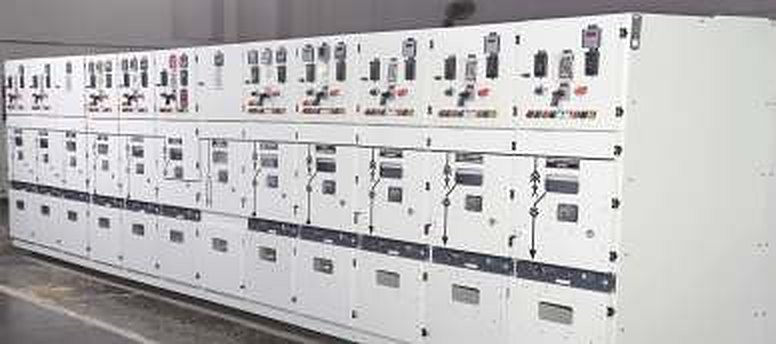
Beyond SF6: Understanding the Shift in MV Switchgear Insulation
SF6 has useful insulating properties but a high global-warming impact. Alternative technologies, including engineered dry-air insulation and vacuum interruption approaches, are being developed or commercialised across the sector. Each design still needs complete performance verification.
01
Why SF6 has been used
Electrical insulation and switching characteristics have supported compact MV equipment arrangements. This does not mean all SF6 products use the gas for identical functions.
02
Why alternatives are being pursued
Utilities, manufacturers and regulators are increasingly examining greenhouse-gas impact, equipment lifecycle and technology transition. The applicable rules differ by geography and equipment category; project teams should use current regulations.
03
Technical questions for alternatives
Insulation coordination, interruption technology, dimensions, electrical endurance, environmental limits, lifetime management, applicable standards and type-test completion.
04
C-SEC's reported work
A July 2026 industry interview described a C-SEC R&D effort using factory-made dry air and continuing type testing. This is a development update, not an assertion of market availability.
05
What to do today
Specify against commercial, fully qualified equipment and the applicable project standard. Monitor verified technology updates for future projects.
06
Conclusion
Environmental progress and electrical performance need to be considered together, supported by transparent engineering evidence.
Related
- RMU vs AIS: How Do You Choose the Right MV Equipment?Understand how ring main units and air-insulated switchgear differ in function, arrangement, applications and project selection considerations.
- How to Read a Medium-Voltage Switchgear DatasheetLearn to interpret rated voltage, current, short-circuit values, insulation, IP, internal arc and service conditions in MV switchgear datasheets.
Need help selecting?