
RMU vs AIS: How Do You Choose the Right MV Equipment?
A Ring Main Unit is typically used for compact switching and protection functions in secondary distribution, while an air-insulated switchgear lineup can provide a broader or different set of primary-distribution functions. The right choice depends on the electrical network, SLD, fault level, required functions and physical conditions---not simply the voltage.
01
Understand the terms
RMU describes a functional class/arrangement, often compact and employed at secondary distribution points. AIS describes a construction approach based on air insulation and can encompass different panel architectures. They are not perfectly opposing technical definitions; some RMU technology is also air-insulated. Always compare actual supplied equipment, not acronyms alone.
02
Comparison table
03
Example A: Compact distribution point
An approved RMU configuration can be relevant where the design calls for defined feeder switching and transformer protection in a limited equipment location.
04
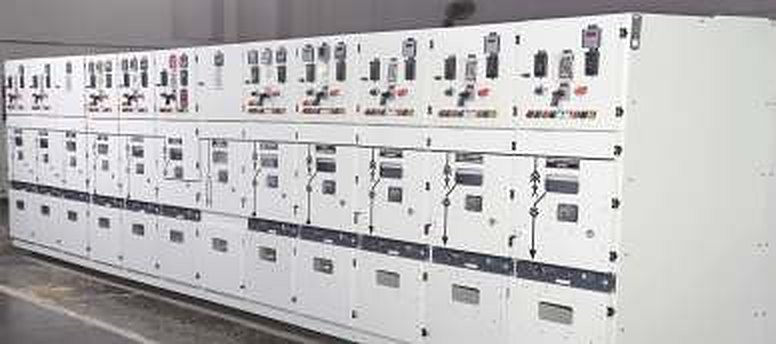
Example B: Primary switchgear lineup
An AIS lineup may be relevant where a project calls for multiple functions and a defined draw-out breaker arrangement and control/protection scheme.
05
Questions to answer before RFQ
06
Conclusion
Start from the electrical function and document the specification. Then shortlist an equipment family that can demonstrably meet it.
Related
- How to Read a Medium-Voltage Switchgear DatasheetLearn to interpret rated voltage, current, short-circuit values, insulation, IP, internal arc and service conditions in MV switchgear datasheets.
- Beyond SF6: Understanding the Shift in MV Switchgear InsulationUnderstand SF6 insulation, dry-air alternatives and the technical validation needed for next-generation medium-voltage switchgear.
Need help selecting?